





Elementary Ages
Elementary Music A - Fundamentals (ages 4-6)
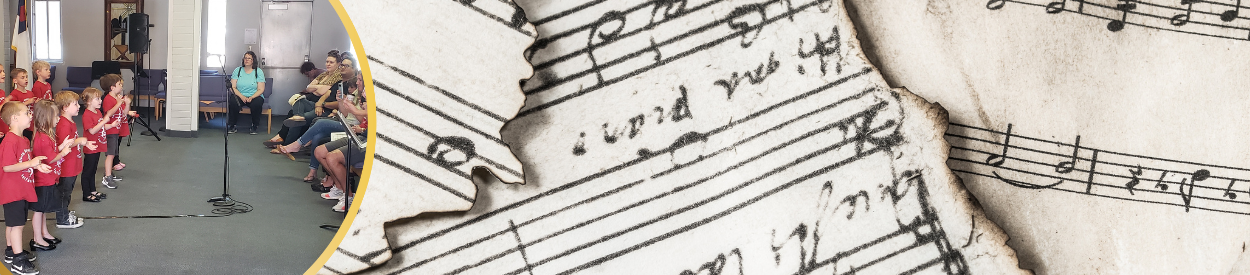
Students in this class are introduced to the building blocks of music through interactive games, singing, simple percussion instruments, nursery rhymes, and movement. Age appropriate vocal techniques and ear training are also cultivated each week. The Ementary Music class performs each semester for their parents on the last day of class. Parents are welcome to attend with their child, however, younger siblings can cause a distraction, so please be respectful.
Elementary Music B - Instruments (ages 7-10)
The Elementary Music class is very similar to what is taught in the classroom in the public school system in grades 3-5. This fun class includes movement, improvisation, games for reading and composing music, rhythmic activities, choir basics with group singing games, and basic instrument instruction using recorders, hand bells, bucket drums and more. Students will learn how to read music while they play as well as play by ear, and will learn to play with multiple parts happening at once. Students learn a lot of music in a short amount of time, all while having a great time! Elementary Music students perform for their parents each semester on the last day of class. Parents are welcome to attend with their child, however, younger siblings can cause a distraction, so please be respectful.
Elementary Ukulele 1 (ages 7-10)
Intro to Ukulele 1 utilizes techniques from Edwin Gordin’s “Music Learning Theory” for ukulele such as breathing, moving, rhythm chanting, singing, and playing instruments, which enables understanding in how music is structured, including concepts like notes, scales, chords, and key signatures. Through these concepts, ukulele players improve their understanding of how music works while playing, reading music, improvising, and understanding song structures. Music and instruments needed for class are provided, although students are encouraged to have a soprano ukulele at home for home practice. Intro to Ukulele 1 students perform in the Parent Showcase Concerts and potentially a few community performances throughout the course of the year.
Elementary Ukulele 2 (ages 7-10)
Intro to Ukulele 2 builds on the techniques learned from the Ukulele 1 class by continuing to apply Edwin Gordin’s “Music Learning Theory” for ukulele. This class will be structured similarly to Ukulele 1, but moves at a faster pace, and adds techniques such as finger picking and chord strumming. Intro to Ukulele 2 students will perform in the Parent Showcase Concerts and potentially a few community performances throughout the course of the year.
Students should take at least 2 semesters of Intro to Ukulele 1 before registering for this class.
Elementary Choir (ages 8-11)
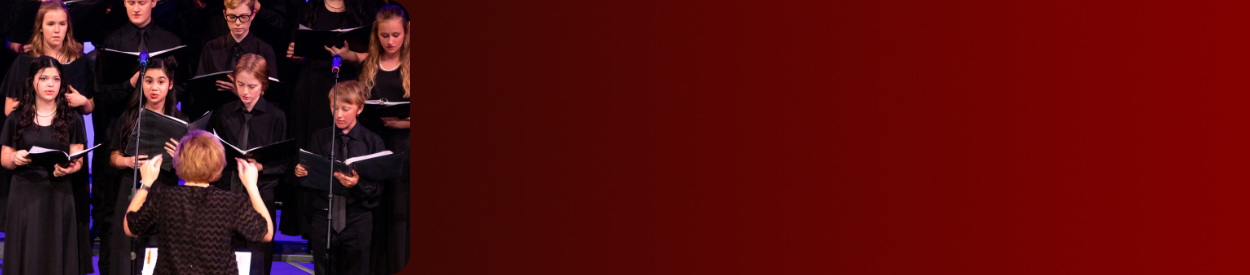
This class will develop sound and healthy vocal techniques, train the ears to hear and hold chords, and focus on brain development to think musically. This class will use exercises such as breathing, moving, rhythm chanting, and part-singing. By understanding these concepts, the young singers can improve their understanding of how music works, reading music, improvising, and understanding song structures. The Elementary Choir will perform in the Parent Showcase Concerts and potentially a few community performances throughout the course of the year.
Intro to Theater:Storytelling (ages 8-11)
Human beings have been storytellers since the beginning of civilization. Stories are an integral part of the way we communicate and understand others and the world around us. A skilled storyteller breathes life into what would otherwise be merely a collection of words and ideas, inducing genuine connection and curiosity in their listeners.
In this course, students will engage their fellow classmates weekly with stories from children’s picture books, well known fairy and folktales, poetry, and narratives from their own imagination. With the help of simple props and visual aids, puppets, live actors, and music, students will grow in their confidence to capture an audience’s attention, becoming performers without even realizing it. Weekly class activities will focus on different facets of effective storytelling, including vocal and facial expression, voice intonation, projection and diction. Additionally, interpersonal skills and characteristics like empathy, patience, peer encouragement and positive feedback, listening, and observation are naturally folded into the teaching activities. On the last day of classes, students will participate in the “Storytellers’ Showcase”, a full class presentation of a story of their choosing. Students will weave in and out of the story, taking turns as narrator and players, who silently act out the storyline.